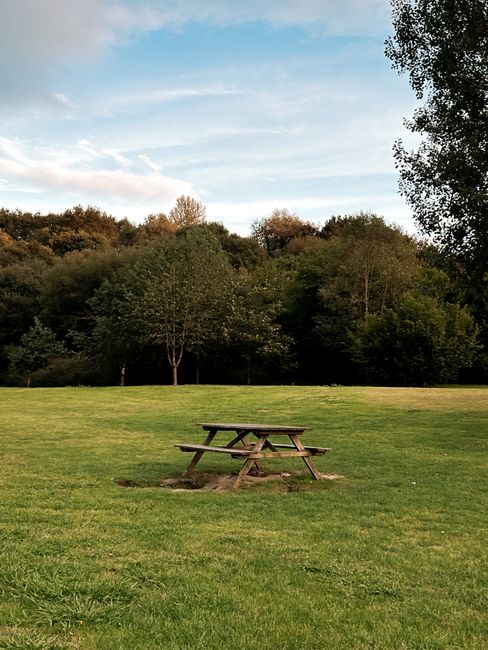
Trent Country Park picnic stain cleaning service in Cockfosters
If you have ever packed a blanket, a flask, and a couple of sandwiches for a day at Trent Country Park, you will know how quickly a relaxing picnic can turn messy. Grass, mud, drink spills, ice cream, ketchup, sunscreen, even a bit of melted chocolate on a sunny afternoon - it all finds its way into fabric and fibre before you have really noticed. That is exactly where a Trent Country Park picnic stain cleaning service in Cockfosters becomes useful. Not just for the obvious red wine disaster, but for the smaller, sneakier marks that settle in and get harder to shift the longer you leave them.
This guide explains what the service involves, why local picnic stains need a careful approach, and how a proper cleaning process works in practice. You will also find a clear comparison of methods, a step-by-step checklist, common mistakes to avoid, and a realistic view of when professional help makes sense. Truth be told, some stains look harmless on day one and turn stubborn by day three. That is the annoying part.
Table of Contents
- Why Trent Country Park picnic stain cleaning service in Cockfosters matters
- How Trent Country Park picnic stain cleaning service in Cockfosters works
- Key benefits and practical advantages
- Who this is for and when it makes sense
- Step-by-step guidance
- Expert tips for better results
- Common mistakes to avoid
- Tools, resources and recommendations
- Law, compliance, standards, or best practice
- Options, methods, or comparison table
- Case study or real-world example
- Practical checklist
- Conclusion
- Frequently asked questions
Why Trent Country Park picnic stain cleaning service in Cockfosters Matters
Picnics in and around Trent Country Park are meant to be easy. That is the charm. But outdoor dining creates a particular kind of mess that is not the same as an everyday home spill. You are dealing with a mix of food stains, soil, damp grass, pollen, sticky soft drinks, and sometimes pet marks or marks from a baby blanket that has been dragged across the ground. Each one behaves differently. Some stains sit on the surface. Others soak right into the backing of a rug, seat pad, picnic blanket, or upholstered item once you get home.
In Cockfosters, where people often combine a walk, a family picnic, and a quick stop home, stains are usually treated after they have dried a bit. That makes them more difficult. And let's face it, nobody wants to spend the evening scrubbing something in the sink when the weather has been lovely all day. A specialist picnic stain cleaning service is valuable because it focuses on the right pre-treatment, the right cleaning chemistry, and the right drying method for the material involved.
It also matters because the wrong approach can set a stain permanently. Hot water on protein stains, harsh rubbing on fibres, or a random cleaning spray used without testing can leave a mark that is worse than the original spill. Not ideal. A careful service aims to remove the visible stain and the hidden residue that can later cause odour or reappearing rings.
For many households, this sort of cleaning links naturally with broader care for fabrics and furnishings. If you are dealing with other marks at home as well, it can make sense to look at professional stain removal alongside services such as carpet cleaning or upholstery cleaning when the same spills have spread onto larger surfaces.
Expert summary: outdoor picnic stains are usually a mix of food, moisture, soil, and fibre wear. The best results come from fast identification, correct pre-treatment, and cleaning matched to the item's fabric and construction.
How Trent Country Park picnic stain cleaning service in Cockfosters Works
The process should feel calm and methodical, not rushed. A good cleaner will first identify what the item is made from and what caused the stain. That sounds simple, but it is the bit that saves mistakes. A cotton picnic rug, a synthetic blanket, a sofa cushion, and a wool rug all need different handling. One size fits all? Sadly, no.
In most cases, the service starts with inspection. The cleaner checks the colourfastness of the material, the depth of the stain, and whether there are any signs of previous DIY treatment. If you have already used a household cleaner, that is worth mentioning. It helps avoid chemical reactions or fibre distortion. A careful technician will then choose a pre-spray, spot treatment, or low-moisture extraction method depending on the fabric and the stain type.
For heavier marks, agitation may be used gently to lift residue from the fibres. On washable fabrics, rinsing and extraction can help remove both the stain and the cleaning agent. On delicate materials, the process is slower and more controlled. That is fine. Better a steady result than a rushed fix that leaves a ring or rough patch.
Drying matters just as much as cleaning. Picnic items often hold moisture in seams, hems, or padding, especially if the stain spread in from the edge. Good air circulation and careful drying help stop mildew, lingering smells, or that slightly sour dampness you sometimes notice the next morning. A service that ignores drying is only doing half the job.
For items that have taken a real beating - for example a picnic blanket that ended up on the car floor after a muddy walk - services like steam carpet cleaning can sometimes be relevant for similar fibre structures, while rug cleaning is useful where the item has a denser weave or decorative backing.
Key Benefits and Practical Advantages
The biggest benefit is obvious: better stain removal. But the real value goes beyond appearance. You are also protecting the item's lifespan, its texture, and the comfort of using it again without that nagging stain staring back at you. A cleaned blanket feels usable again. A cleaned cushion does not smell faintly of vinegar or old juice. Small thing, big difference.
- Improved appearance: food, grass, and drink marks are visibly reduced or removed.
- Odour control: residue and dampness are treated before smells settle in.
- Fabric protection: proper methods help preserve colour and texture.
- Convenience: you avoid trial-and-error scrubbing at home.
- Better hygiene: outdoor stains can carry soil, organic matter, and bacteria from surfaces.
- Longer item life: repeated harsh DIY cleaning can wear fibres down fast.
Another practical advantage is confidence. If you often visit Trent Country Park with children, friends, or a dog in tow, you know spills are not a rare event. Having a reliable cleaning option means one small accident does not turn into a permanently retired picnic rug. That is a relief, honestly.
If the item is also part of your home setup - perhaps a throw used on the sofa, a seat pad, or an outdoor cushion you bring indoors - then combining treatment with sofa cleaning or curtain cleaning can be sensible when spills have travelled beyond one surface.
Who This Is For and When It Makes Sense
This service is for anyone who has had an outdoor meal go a bit sideways. Families are the obvious group, especially when snacks, drinks, and grass patches all appear in the same hour. But it is also useful for couples, dog walkers, older visitors who prefer a comfortable blanket or fold-out chair, and local households that use picnic accessories for garden gatherings as well as park visits.
It makes sense when the stain is:
- fresh but spreading
- dried and darker than expected
- causing odour
- on a delicate or expensive fabric
- part of a larger clean-up after a full picnic bag spill
- stuck in seams, piping, or backing material
It is also a good idea when you are unsure what the stain actually is. That happens more than people admit. Was it ketchup? Fruit juice? Mud? A bit of everything? Outdoor mess can be deceptive. A specialist can identify the likely stain family and choose a cleaner that will not make matters worse.
If you run into repeated stains on textiles used for family days out, it may also be worth thinking about ongoing fabric care. Services such as mattress cleaning and pet stain odour removal show how similar problems across different materials often need a tailored approach, not a generic scrub-and-hope routine.
Step-by-Step Guidance
If you want the best result, the first hour matters. But even if the stain is older, there is still plenty you can do to improve your chances before a cleaner sees it.
- Blot, do not rub. Use a clean cloth or paper towel to lift excess liquid or soft residue. Rubbing pushes the stain deeper and can rough up the fibres.
- Remove loose debris. Shake out crumbs, grass, and soil first. It sounds basic, but it stops grit from grinding into the material.
- Check the care label. If the item has a washing instruction or fabric warning, follow it closely.
- Test a hidden area. Before using any cleaner, test on a small concealed section. A faint colour bleed is a warning sign.
- Identify the stain type. Food, drink, mud, sunscreen, and grease all need slightly different treatment.
- Use the mildest effective method. Start gentle. Move stronger only if needed.
- Rinse or extract properly. Leftover cleaning product can leave a sticky patch that attracts new dirt.
- Dry fully. Airflow is your friend. Damp fibres are not.
If the item is valuable, awkwardly shaped, or already discoloured, stop before it becomes a DIY science experiment. That is where professional help earns its keep.
Helpful first-response mini checklist
- Blot the spill immediately
- Lift away crumbs and soil
- Avoid hot water unless you know the stain type
- Avoid scrubbing in circles
- Keep the item separated from clean fabrics
- Arrange treatment sooner rather than later
Expert Tips for Better Results
One of the most useful things to understand is that stain removal is part chemistry, part timing, and part restraint. People often think more pressure means more cleaning. Usually the opposite. Gentle, repeated lifting is often far better than one hard attack with a sponge.
Here are a few practical tips that really do make a difference:
- Treat the stain from the outside in. That helps stop the mark spreading.
- Use cool water first for unknown stains. Hot water can set some protein-based marks.
- Keep a clean white cloth nearby. Coloured towels can transfer dye. Yes, even now.
- Avoid over-wetting. Outdoor fabrics and padded items dry slowly if soaked.
- Work in layers. If residue remains after the first pass, repeat carefully instead of pushing harder.
- Let the item breathe. Drying in a stuffy hallway is a bad idea. A bit of airflow goes a long way.
A small real-world note: after a sunny afternoon, a picnic rug can look dry on the surface while the backing remains damp and gritty underneath. You only notice when the smell starts the next day. Not pleasant. This is why deeper extraction and proper drying matter so much.
For more heavily soiled textiles at home, specialist services such as carpet cleaning and upholstery cleaning are often the closest match in terms of process and care, especially when the stain has worked into a structured fabric surface.
Common Mistakes to Avoid
Most stain damage does not come from the spill itself. It comes from what happens next. That is the frustrating bit.
- Rubbing aggressively: this pushes pigment and residue deeper into the fibres.
- Using the wrong cleaner: bleach, citrus sprays, and heavy degreasers can alter colour or texture.
- Skipping a patch test: one small test could save the whole item.
- Using too much product: more is not better. It often leaves residue.
- Leaving the item wet: mildew and odour are then the next problem.
- Waiting too long: dried spills bond more firmly to fibres.
- Mixing different cleaners: never a good idea, and sometimes unsafe.
Another subtle mistake is assuming every stain is visible. Outdoor spills can leave a shadow in the fabric even after the top layer looks fine. If you only clean the surface, the stain may creep back later as the moisture rises. A bit annoying, but common.
Tools, Resources and Recommendations
You do not need a cupboard full of complicated products to handle a picnic stain properly. In fact, too many products can make things worse. Keep it simple and sensible.
| Item | Why it helps | Good for |
|---|---|---|
| Clean white cloths | They lift residue without adding dye | Blotting fresh spills |
| Soft-bristled brush | Helps loosen dry soil gently | Grass, dust, and dried crumbs |
| Cool water | Safe starting point for unknown stains | Initial treatment |
| Mild fabric-safe cleaner | Reduces risk of damage | Light food and drink marks |
| Drying rack or airy space | Prevents stale moisture and odour | Post-cleaning drying |
For readers comparing service options, it helps to think in terms of textile type rather than stain alone. A soft picnic blanket might need one approach, while a structured rug or seating pad needs another. If the stain has spread into a mixed-fibre piece, rug cleaning and steam carpet cleaning are useful reference points for what careful treatment can look like.
When deciding whether to book help, look for clear communication, a proper inspection process, and a willingness to explain the treatment plan in plain English. That says a lot.
Law, Compliance, Standards, or Best Practice
For domestic picnic stain cleaning, there is not usually a special legal process you need to worry about. Still, good practice matters. Any cleaning work involving chemicals, electrical equipment, water, and customer property should be handled carefully and transparently.
In the UK, reputable cleaning work is generally expected to follow sensible health and safety practice: using products as directed, storing chemicals responsibly, avoiding cross-contamination, and taking care not to damage surfaces or leave hazards behind. If a company handles items in your home, insurance and safety standards matter too. That includes making sure equipment is suitable, staff know how to use it, and your belongings are treated respectfully.
It is also reasonable to expect clear terms, clear pricing, and secure payment handling. If you are comparing services, pages like pricing and quotes, payment and security, and insurance and safety are useful because they help you judge how professionally a provider operates before anyone starts cleaning.
Best practice also includes treating your home and the environment with care. That may mean using only what is needed, controlling waste water sensibly, and avoiding unnecessary product use. Small things, but they add up.
Options, Methods, or Comparison Table
There is more than one way to clean a picnic stain. The right choice depends on the fabric, the type of spill, and how long the stain has been there. Here is a practical comparison.
| Method | Best for | Pros | Limits |
|---|---|---|---|
| Blotting and mild spot treatment | Fresh spills on washable fabrics | Quick, low risk, easy to repeat | May not remove deep-set residue |
| Manual stain removal service | Targeted marks on delicate or mixed fabrics | Controlled, fabric-aware, good for precision | Can take longer on large stains |
| Steam-based cleaning | Heavier soiling on robust textiles | Useful for embedded dirt and odour | Not suitable for every material |
| Deep extraction cleaning | Padding, thicker rugs, or fabrics with residue | Removes soil and cleaner residue well | Requires proper drying time |
For a lot of picnic-related mess, the best answer is not one single technique. It is often a sequence: remove debris, treat the stain, lift residue, dry correctly, then assess again. Simple on paper. A bit fiddly in practice, yes.
Case Study or Real-World Example
Picture a family returning from a late-afternoon picnic near Trent Country Park. A toddler has tipped berry juice onto a folded blanket, someone has brushed past damp grass, and there is also a faint smear of hummus near the edge. Nothing dramatic. Just a classic end-of-day mess. They leave the blanket in a bag overnight, then bring it out the next morning when the stain has dried in patches and started to smell a little earthy.
That is the point where a careful service helps most. The first step is to identify the stain mixture: fruit pigment, organic food residue, and outdoor soil. The cleaner then tests a hidden section, applies a suitable pre-treatment, and works the mark gently rather than grinding it in. After that, the item is extracted and dried with airflow. The final result is usually much better than a home scrub because the residue has been removed, not just moved around.
The useful lesson here is not that every stain is difficult. It is that mixed stains are normal after a picnic. You are rarely dealing with one thing only. Usually there are two or three small problems layered together, which is why the process needs a bit of judgement.
Sometimes the same family later asks for help with a throw that lives on the sofa or a washable cushion cover. In that case, a broader fabric service such as sofa cleaning or upholstery cleaning can be the natural next step. Practical, not fancy.
Practical Checklist
Use this before, during, or after dealing with a picnic stain.
- Identify what was spilled
- Check whether the material is washable or delicate
- Blot excess liquid immediately
- Remove crumbs, grit, and loose dirt
- Test any cleaner on a hidden area first
- Apply the mildest effective treatment
- Avoid scrubbing hard
- Rinse or extract any residue
- Dry the item completely
- Inspect again once dry for faint rings or smell
- Book a professional clean if the mark remains
If you are dealing with repeated messes from outings, it is worth keeping a small cleaning kit at home. Nothing elaborate. A cloth, a mild fabric-safe spot cleaner, and a drying space are often enough to stop a minor spill becoming a bigger job later.
Get a free quote today and see how much you can save.
Conclusion
A Trent Country Park picnic stain cleaning service in Cockfosters is really about preserving the things that make outdoor days enjoyable: the blanket, the cushion, the rug, the memory of a good afternoon, without the stubborn stain hanging around afterwards. The best results come from a careful match between the stain type, the fabric, and the cleaning method. That is the whole game, really.
If the spill is fresh, act quickly. If it is already dry, do not panic. There is still a good chance of improvement with the right approach. And if you are unsure, it is usually smarter to stop experimenting and let a trained cleaner handle it before the fibres take a beating. Your future self will be grateful.
For a trusted local service, learn more about the company on the about us page, review the terms and conditions, or explore the recycling and sustainability approach if environmentally minded cleaning matters to you. Little choices matter, and a good clean should feel reassuring from start to finish.
Sometimes the best result is simply getting back to normal, with the blanket folded away clean and ready for the next sunny day. That is a nice feeling, to be fair.
Frequently Asked Questions
What is a Trent Country Park picnic stain cleaning service in Cockfosters?
It is a specialist cleaning service for picnic-related stains caused by food, drink, grass, mud, sunscreen, and outdoor dirt. The aim is to remove marks safely from fabrics, rugs, blankets, cushions, and similar items without damaging the material.
Can fresh picnic stains be removed more easily than old ones?
Usually, yes. Fresh stains have not had as much time to bond with the fibres or dry into the backing. Quick blotting and proper treatment often give much better results than waiting overnight.
What should I do first after a spill at Trent Country Park?
Blot the spill gently, remove crumbs or loose dirt, and avoid rubbing. If possible, keep the item separate from clean fabrics so the stain does not transfer while you travel home.
Are grass stains harder to remove than food stains?
They can be. Grass stains often contain natural pigments and plant residue that cling to fibres, especially if mixed with soil or moisture. Food stains are more varied, but both need the right treatment.
Will a picnic stain cleaning service work on delicate fabrics?
It can, provided the cleaner tests the material first and uses a suitable low-risk method. Delicate items need a slower, more careful approach rather than heavy scrubbing or high heat.
How long does picnic stain cleaning take?
That depends on the fabric, the size of the stain, and whether drying is involved. A small fresh mark may be straightforward, while a dried mixed stain with odour may take longer because the cleaner needs to treat, extract, and dry it properly.
Can I use household stain removers before booking a professional clean?
You can, but it is safer to use something mild and test it first. Strong or unknown products can set the stain or alter the colour. If the item is valuable, professional help is often the safer first move.
What if the stain smells after cleaning?
That usually means residue or moisture has been left behind. The item may need deeper extraction or longer drying. Outdoor picnic stains can hold odour if they are not fully treated.
Is steam cleaning suitable for picnic stains?
Sometimes, yes, especially on more robust textiles with embedded dirt. But not every fabric is suitable for steam. The cleaner should decide based on the material and the type of stain.
How do I know if a stain needs professional attention?
If the stain is old, large, smelly, on a delicate fabric, or has already resisted your first attempt, professional cleaning makes sense. It also makes sense when you simply do not want to risk damaging the item.
Do picnic stain cleaners also deal with rugs and upholstery?
Often they do, especially when the spill has affected a rug, throw, seat pad, or other home textile. Services such as rug cleaning and upholstery cleaning are closely related to this kind of work.
How can I get a quote for cleaning?
You can review the pricing and quotes information, then get in touch through the site's contact options. A clear description of the stain, fabric, and item size will usually help the quote process go more smoothly.